
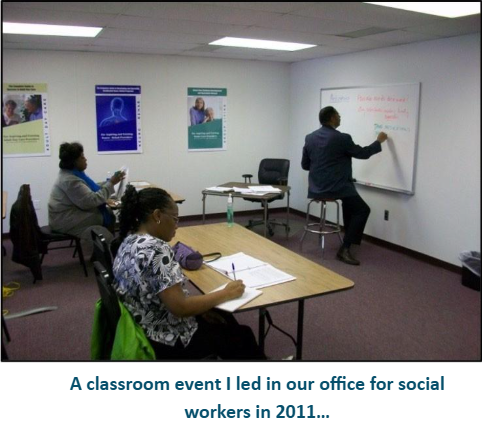
I have been at this for almost 40 years. I have learned and accepted that as instructors, we carry a responsibility that goes far beyond delivering information. We shape how others learn, how they feel about the material, and how confidently they apply what we teach. When I train new instructors, I emphasize that mastery is not just about knowing the subject matter—it is about how you carry that knowledge into the room.
One of the first lessons I share is this: never belittle or look down on the subject matter. Even the most basic topics deserve respect. When an instructor treats a topic as trivial, the audience follows that lead. They disengage.
They assume the material is optional or unimportant. But when you treat every subject—whether it is infection control, documentation, or client engagement—with dignity, your learners understand its value. They rise to the level you set.
Equally important is how you present yourself. Approachability is a teaching tool. When your audience sees you as someone they can talk to, someone who welcomes questions and encourages dialogue, the learning environment becomes richer. People retain more when they feel safe enough to ask, “Can you explain that again?” or “How does this apply in real life?” Your demeanor opens that door.

Humor, when used wisely, is one of the most effective teaching instruments we have. It breaks tension, keeps learners alert, and makes complex ideas easier to digest. But humor must never strip away the dignity or seriousness of the subject. A well-placed smile or light remark can energize a room; a careless joke can undermine the gravity of what we are teaching. The balance matters.
Another area where new instructors sometimes stumble is the temptation to take shortcuts. Avoid them. Every section of your training exists for a reason. When you skip steps, rush through demonstrations, or gloss over details, you send a message—
intentionally or not—that the material is not worth the time. That message can follow your learners into their work, where shortcuts become risks. Structure protects both you and them.
This is why I encourage instructors to assign time limits to certain sections and honor those limits. It keeps your training disciplined, predictable, and respectful of your learners’ time. It also forces you to prepare thoroughly, which is one of the clearest demonstrations of commitment. When you walk into a room fully ready—slides organized, examples prepared, transitions planned—you show your learners that they matter.
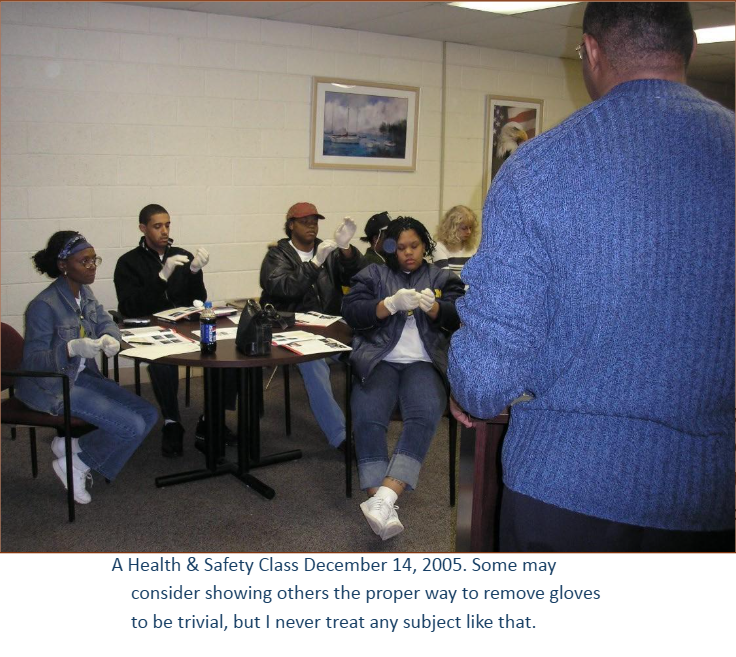
And finally, never underestimate the power of a smile. A genuine smile conveys warmth, confidence, and welcome. It tells your audience, “I’m glad you’re here, and we’re in this together.” In a field built on human connection, that simple gesture reinforces everything we stand for.
As you grow into your role as an instructor, remember that your influence extends far beyond the classroom. You are shaping professionals who will touch lives every day.
Teach with respect, humor, structure, preparation, and warmth—and you will not only inform but inspire.
End.
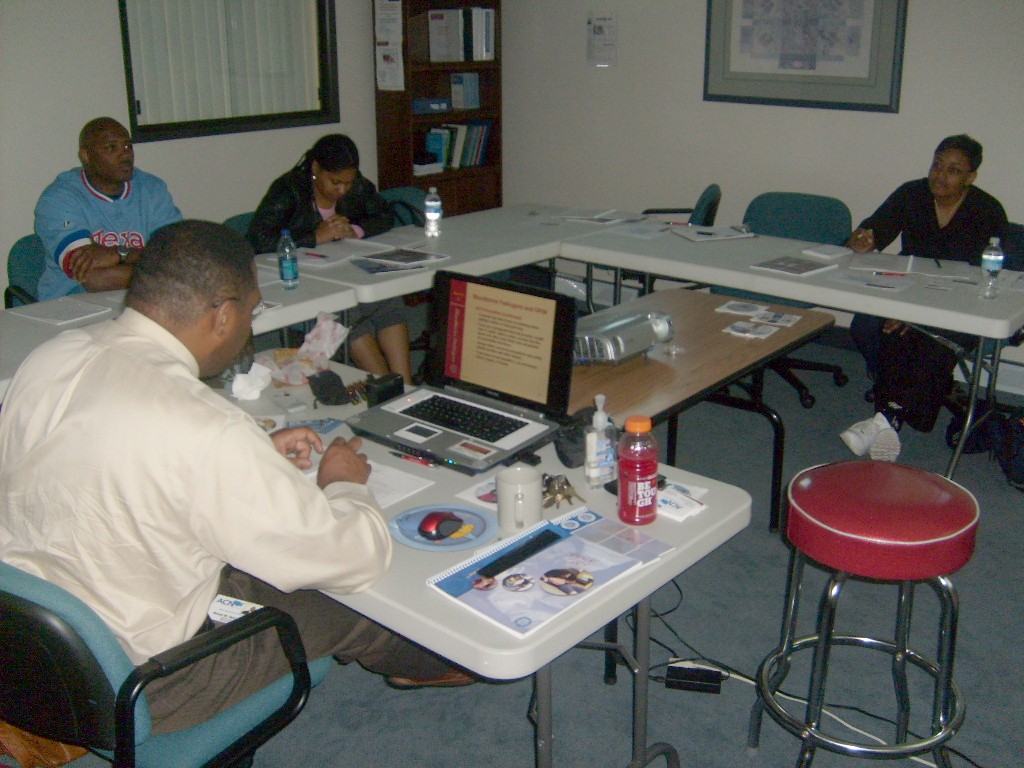
An Instructor Trainer Class I taught for future CPR/First Aid and Blood Borne Pathogen Instructors January 4, 2009.

Another Blog Post by Direct Care Training & Resource Center, Inc. Photos used are designed to complement the written content. They do not imply a relationship with or endorsement by any individual nor entity and may belong to their respective copyright holders.
| Follow us in the Social Stratosphere… | ||||
|


